


Looking for Summer Energy Saving Tips to Cool Your Home in Canajoharie and Nearby Areas?
The best summer energy saving tips for cooling your home can make a real difference in how hard your AC system has to work during hot weather. When temperatures rise across Schoharie, Montgomery, and Fulton counties, your cooling system can run longer to keep your home comfortable.
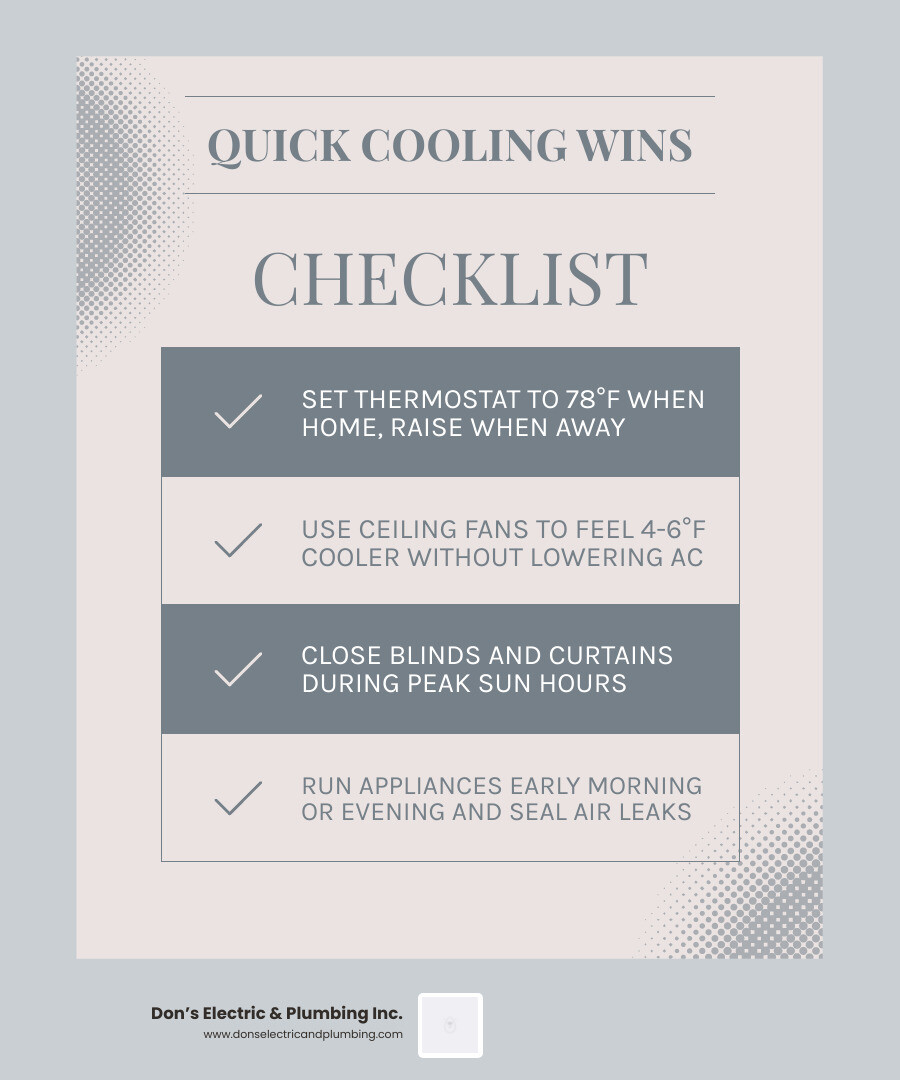
Here is a quick overview of the most effective steps you can take:
- Set your thermostat to 78°F when you are home and raise it when you leave.
- Use ceiling fans to feel cooler without lowering the AC.
- Close blinds and curtains during peak sun hours to block heat gain.
- Run appliances like washers, dryers, and ovens in the early morning or evening.
- Seal air leaks around windows and doors with caulk or weatherstripping.
- Replace AC filters monthly during heavy use periods.
- Unplug electronics or use power strips to reduce standby power draw.
- Schedule annual AC maintenance to keep your system running efficiently.
Whether your system struggles to keep up on a hot July afternoon or you simply want to improve comfort and efficiency this season, this guide breaks down practical steps, from simple habit changes to smart upgrades, so you can keep your home cooler all summer long.
For homeowners in Canajoharie, Cobleskill, Palatine, Minden, Broadalbin, and Gloversville, these tips can also help you spot when it may be time to call Don’s Electric & Plumbing for professional AC service, maintenance, or system upgrades.
Maximizing Efficiency with Summer Energy Saving Tips for Cooling Your Home

When we talk about saving energy in May 2026, the first place we look is the thermostat. It is the “brain” of your home’s climate, and small adjustments here can help reduce unnecessary strain on your cooling system.
We often recommend the “78-degree rule”: set your AC to 78°F when you are home and even higher when you are away. If you are leaving for more than four hours, consider the “4-by-4 rule” – raise the temperature by at least 4 degrees while you are out. This helps prevent your system from cycling unnecessarily to cool an empty house.
To make this easier, many homeowners choose a smart thermostat. These devices can adjust the temperature based on your schedule and help you better understand your system’s energy use. For more hands-on advice, check out these tips for keeping your AC system running smoothly.
How can I implement summer energy saving tips for cooling your home today?
You do not need a major renovation to start improving comfort and efficiency. Start by checking your ceiling fans. In the summer, your fan blades should rotate counter-clockwise. This creates a downdraft that produces a wind-chill effect on your skin. While it does not actually lower the room’s temperature, it can make you feel cooler, allowing you to raise the thermostat setting without losing comfort.
Remember: fans cool people, not rooms. Always turn them off when you leave the room to avoid wasting electricity.
Low-Cost and No-Cost Strategies to Beat the Heat in Canajoharie
In Montgomery and Schoharie counties, the sun can be intense during peak afternoon hours. One of the most effective no-cost summer energy saving tips for cooling your home is simply managing your windows. Closing drapes, blinds, or thermal curtains on the sunny side of the house can reduce solar heat gain and help your AC maintain a steadier indoor temperature.
Natural ventilation is another great tool. When the sun goes down and the air cools in places like Palatine or Sharon Springs, open your windows to let the cross-breeze naturally lower your indoor temperature. Just remember to close them early in the morning before the heat returns.
Your daily habits also play a role. Appliances like ovens and clothes dryers generate a massive amount of internal heat. Try these strategies:
- Cook outdoors: Use a grill to keep the heat out of the kitchen.
- Use small appliances: Microwaves and toaster ovens generate less indoor heat than a conventional oven.
- Cold water laundry: Switching to cold cycles can reduce heat buildup indoors and is easier on many fabrics.
- Manage “Energy Vampires”: Unplug electronics like computers, coffee makers, and game consoles when not in use. Using power strips makes it easy to shut off multiple devices with one switch.
Essential Maintenance and Long-Term Upgrades for Your Cooling System
A well-maintained system is an efficient system. One of the simplest maintenance steps you can take is checking your air filter every month. If it looks dirty, replace it. At a minimum, change it every three months. A clogged filter restricts airflow, forcing your AC to work harder and potentially leading to early system failure.
Beyond the filter, keep your outdoor condenser unit clear of debris, grass clippings, and leaves. Your system needs to “breathe” to release the heat it gathered from inside your home.
For homeowners in Broadalbin or Little Falls looking for deeper efficiency improvements, we recommend addressing the building envelope. Sealing air leaks with caulk and weatherstripping around windows and doors can improve comfort and reduce unwanted heat intrusion. Do not forget the attic; proper insulation helps keep scorching attic heat from seeping into your living space.
If your system is older, it may be time to consider the benefits of regular AC maintenance or even an upgrade. When looking at new options, it is vital to ensure you are finding the goldilocks zone for your AC unit size – a unit that is too large or too small will run inefficiently.
If you are already experiencing issues, our team provides expert AC service in Canajoharie, NY to get you back to peak performance.
Advanced summer energy saving tips for cooling your home through upgrades
If you are ready to invest in long-term comfort, consider high-efficiency technology. Modern heat pumps are highly efficient for both heating and cooling. You might also explore the speed debate: choosing between single and variable stage AC to see which technology fits your home’s needs best.
Wondering about the next step? You can learn how you can save money on a new AC unit through available incentives and high-efficiency choices.
Managing High-Demand Periods and Outdoor Energy Use
During extreme heat waves, utility grids often experience “peak demand” hours, typically between 2 p.m. and 9 p.m. To help reduce strain on your AC system during the hottest part of the day, try “pre-cooling” your home. Lower the temperature a few degrees in the morning, then raise the thermostat during the afternoon peak hours.
If you have a swimming pool in your backyard in Fulton or Herkimer County, it can be a significant energy user. To improve efficiency:
- Use a pool cover: This reduces evaporation and helps maintain temperature.
- Install a variable speed pump: These are typically more efficient than older single-speed models.
- Set a timer: Most pools only need a few hours of filtration a day.
Monitoring your usage through your utility’s online tools or bill forecast alerts can help you catch unusually high consumption before it becomes a bigger issue.
Frequently Asked Questions about Summer Cooling
Should I leave my AC at a set temperature while I’m out?
No. It is a common myth that leaving the AC at a constant temperature is more efficient. If you will be out for more than four hours, raise the temperature. Your system does not have to “work harder” to cool the house back down; it actually moves heat more efficiently when the temperature difference between inside and outside is smaller.
Do ceiling fans actually lower the room temperature?
They do not. Fans move air over your skin, which helps evaporate moisture and makes you feel cooler through the wind-chill effect. Because they don’t change the actual air temperature, they should be turned off when the room is empty to save energy.
How often should I change my HVAC air filters?
We recommend checking them once a month. If you have pets (which add dander and fur to the air) or live in a dusty area, you may need to change them every 30 days. At the very least, replace them every 90 days to maintain airflow and system health.
Conclusion
Staying cool in New York does not have to feel overwhelming. By combining simple behavioral changes, like adjusting your thermostat and closing your blinds, with essential maintenance, you can enjoy a more comfortable home all summer long.
At Don’s Electric & Plumbing Inc., we have been helping our neighbors in Canajoharie and the surrounding counties since 1984. As a family-owned and operated business, we stand behind our work with a 100% guarantee and offer same-day and 24/7 emergency services when you need help fast. For more help getting ready for the season, check out our pre-summer HVAC maintenance tips or contact us today to schedule your annual tune-up.